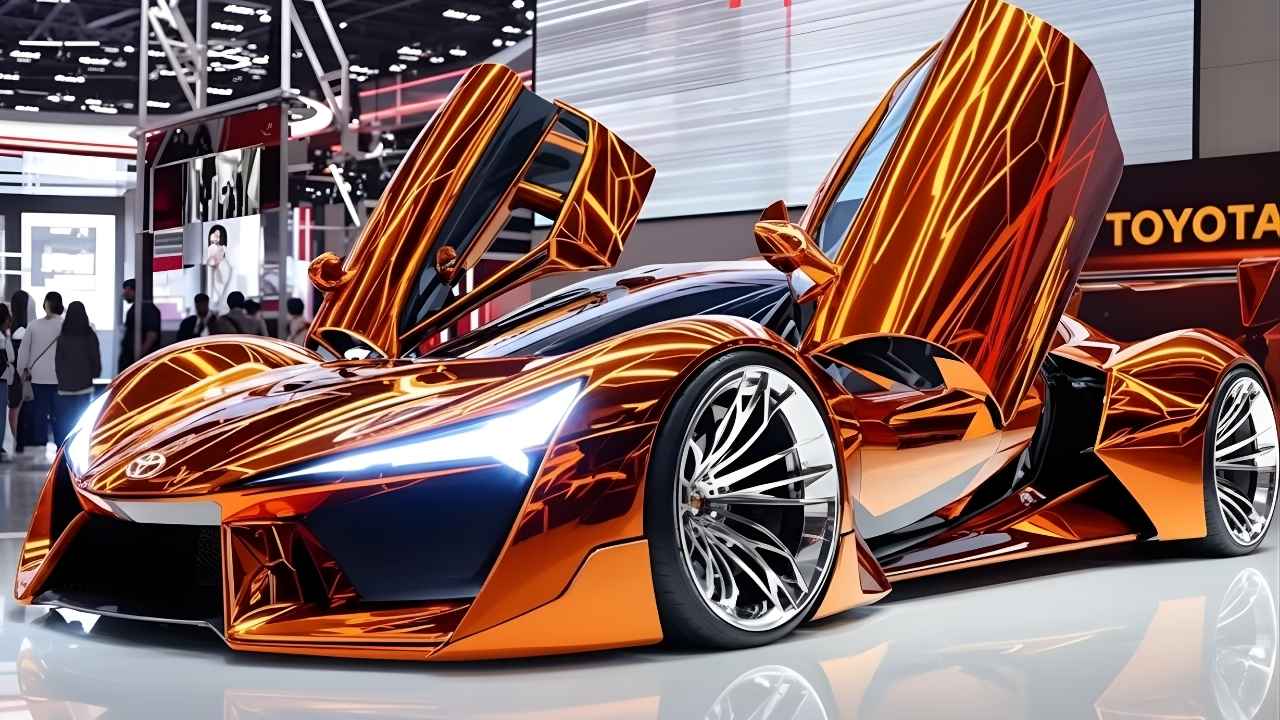
The Toyota MR2 has always held a special place in the world of sports cars. Compact, lightweight, mid-engined and surprisingly affordable, it became a symbol of Japanese engineering that punched far above its weight. After disappearing from the market in the mid-2000s, fans spent nearly two decades wondering if Toyota would ever bring it back. The automotive world shifted dramatically during those years, leaning heavily toward electrification, crossovers and advanced driver-assist ecosystems. A driver-focused machine like the MR2 was starting to feel like a relic from another era.
But demand for pure driving fun never died, and Toyota clearly noticed. Their commitment to performance revived first with the GT86, then the GR Supra and GR Corolla. The missing piece of the puzzle was the MR2, and 2026 finally marks the moment enthusiasts have been waiting for. The new MR2 returns with the spirit of the original intact while adapting to the demands of today’s market. It blends nostalgia with modern engineering in a way that feels purposeful rather than forced. Toyota’s decision to bring it back wasn’t just about reviving a nameplate but about giving drivers a reason to fall in love with sports cars all over again.
How the design pays tribute to the classic MR2
The 2026 MR2 wears its inspirations openly without becoming a retro caricature. The proportions immediately evoke the earlier generations. A sharply sloped nose, compact overhangs and a purposeful stance communicate that this is a true mid-engine machine. The roofline is low, the cockpit sits near the center and the rear quarters display a muscular tension reminiscent of the SW20.

The design team seems to have embraced the philosophy that the MR2 should always look agile rather than aggressive. You will not find oversized grilles or exaggerated creases. Instead, the bodywork flows naturally, and the surfaces feel clean and functional. Slim LED headlights give it a modern and slightly mysterious front view, while the rear uses a single continuous light bar that subtly nods to contemporary Japanese styling trends. Every line has a purpose, from cooling the powertrain to improving airflow around the body.
Inside, the cabin avoids the common trap of overloading the driver with screens. A digital cluster is present, but Toyota appears to have kept physical controls where they matter most. Low seating, a small steering wheel and excellent forward visibility reinforce the idea that this car is built for the art of driving rather than distracting technology. The cockpit wraps around the driver the way sports cars used to, creating the sense that the machine and the person behind the wheel operate as one.
When performance meets modern engineering
The core identity of the MR2 has always been shaped by its mid-engine layout. For 2026, Toyota continues this tradition. While exact specifications vary depending on region and trim, the new MR2 reportedly features a turbocharged three-cylinder or four-cylinder engine producing enough power to make the lightweight chassis come alive. Enthusiasts who feared the MR2 might return as a fully electric vehicle can breathe a sigh of relief. Toyota seems determined to preserve the visceral connection between throttle, engine and rear wheels.

What stands out is the balance between old-school excitement and modern precision. Engineers have refined the suspension geometry to improve stability without removing the lively handling that made the MR2 so engaging. Steering feedback is tuned to be crisp and communicative. Weight distribution is optimized to deliver predictable rotation through corners while maintaining a safe handling envelope for everyday driving.
The car’s relatively low weight sets it apart from most modern performance cars. Sports cars today often carry batteries, large platforms or extensive comfort features that push curb weights upward. The MR2, by contrast, stays true to its original mission of lightweight fun. This decision positions it as one of the few genuinely accessible driver’s cars in a world increasingly filled with heavy, electronically assisted performance machines.
How the MR2 fits into Toyota’s modern performance lineup
Toyota’s GR division is now recognized worldwide for building machines that prioritize driver engagement. The MR2 does not replace the GR86 or the Supra; instead, it completes the trio. Each car has a distinct personality. The GR86 is a playful, affordable coupe designed to teach the fundamentals of driving. The Supra offers a more powerful, grand-touring experience. The MR2 brings something neither of those cars can: the unique feel of a mid-engine platform.

Together, these cars form a lineup that appeals to nearly every type of enthusiast. This strategy reinforces Toyota’s commitment to keeping analog experiences alive while the global industry shifts toward software-heavy and electrified models. The MR2’s arrival also signals that Toyota believes younger drivers still crave involvement, not just convenience.
When the MR2 makes sense in today’s automotive world
At first glance, a lightweight two-seat sports car might seem out of place in a market dominated by SUVs and electric vehicles. But this is precisely why the MR2 stands out. It offers something rare. It invites drivers to enjoy simplicity, balance and connection. In an era where many cars feel like rolling computers, the MR2 provides a refreshing escape.
Toyota also understands that car culture is evolving. Younger enthusiasts express their passion through social media, track days and tuning communities. A car like the MR2 fits naturally into these spaces. It is attainable, customizable and expressive. It can thrive among purists and newcomers alike.

What is the future of the MR2 beyond 2026
The 2026 MR2 feels like more than just a revival. It feels like the beginning of a new chapter. While enthusiasts will speculate about potential hybrid or electric variants, the foundation is solid. Toyota has shown that driving enjoyment still deserves a place in the automotive landscape. If the response is strong, future updates and performance editions could become a reality.
The MR2’s rebirth reflects both nostalgia and innovation. It respects its roots while embracing modern expectations. Most importantly, it proves that lightweight, mechanically engaging sports cars can still exist in a changing world.